anthropic just killed the producer-as-glorified-assistant model
AI control layers are moving from theory into the recording booth. It is time to stop worrying about the 'robot voice' and start worrying about your workflow.
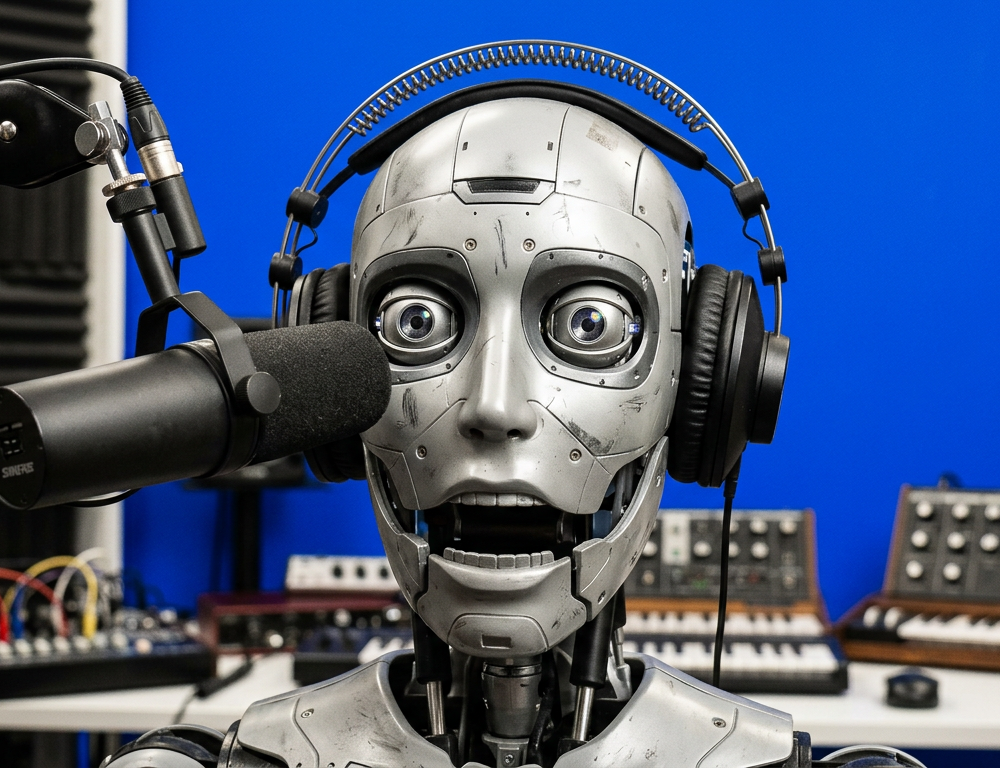
You probably spent your morning arguing with a project management tool or chasing a guest for their local audio files. It is the ritual of the modern B2B podcast - a 45 minute conversation wrapped in four hours of administrative misery. Everyone talks about AI like it is some distant ghost coming to take the creative jobs, but Anthropic just dropped a podcast episode that proves the opposite is happening. They are building control layers, not just chat bots. And if you are still manually managing remote recording workflows, you are essentially choosing to work in slow motion.The shift they are talking about is less about the model being smarter and more about the model being a manager. It is about a layer of AI that sits on top of the workflow to handle the logistics of remote recording. In their tests, they are seeing human oversight drop by about 40 per cent. That is not just a nice statistic for a slide deck. That is two days back in your week because you are no longer the bottle-neck for your own production.
the end of the latency excuse
We have all had that session where the guest is in New York, the host is in London, and the lag is so bad it feels like you are communicating via Victorian telegram. You try to fix it with expensive software that promises local recording, but then the guest forgets to leave their browser open or their upload fails. It is messy. It is kind of embarrassing when you are trying to look like a premium brand.Anthropic’s focus on these control mechanisms means the AI is startng to orchestrate the session itself. It is managing the multi-host handoffs across time zones and handling the technical sync in the background. It turns a fragile remote setup into something that feels like it’s happening in a studio in Soho. When you take the friction out of the tech, the conversation actually gets better. You can tell when a host is thinking about a dropped packet instead of the guest's answer. You can hear it in their voice. This tech removes that distraction.
why 25 per cent faster actually matters
There is this under-reported bit in the early adopter data where people are seeing 25 per cent faster turnaround times without any drop in quality. Usually, speed is the enemy of quality. If you want it fast, it’s going to sound like it was recorded in a bin. If you want it good, you have to wait three weeks for the edit.But when the AI handles the control layer, it is basically prepping the edit while you are still talking. It is tagging the speakers, identifying the core themes, and ensuring the audio levels are consistent before the file even hits the producer's desk. For a B2B brand, this is the difference between being a news cycle late or being the one defining the conversation. Speed is a competitive advantage in a world where everyone is saying the same thing three weeks after it stopped being interesting.
the scalability trap
Most business leaders think scaling a podcast means hiring three more people. It usually doesn't work. It just creates more meetings about the podcast. The true scalability comes from these control layers. If your workflow is automated, you can run four shows with the same effort it used to take to run one. You can go deep into niche topics instead of trying to make one broad show that vaguely appeals to everyone but specifically interests no one.This is how you get an edge. Everyone else is obsessed with whether a bot can write a script - which, honestly, they still aren't great at - while the smart people are using AI to fix the broken plumbing of production. It is not glamorous. It is just incredibly effective.
the human bit is still the hard bit
None of this matters if your host is boring. Actually, it makes it worse. If you use AI to speed up a boring workflow, you just end up with more boring content faster. The control layer is there to free you up to actually think about the strategy. It's there so you can spend your time researching the guest instead of troubleshooting a Zoom link.You have to decide if you want to be a production company that happens to have a brand, or a brand that uses premium production to win. Anthropic is basically giving you the keys to the latter. The remote workflow automation is moving from 'nice to have' to 'the only way to survive' as the volume of B2B content continues to explode. Honestly, the 40 per cent reduction in oversight is probably a conservative estimate once these tools fully integrate into the stack. It is time to stop being a project manager and start being a creator again.The shift is happening. You can either lean into the control layer or keep doing the manual labour. But one of those options is going to feel very lonely, very quickly.