the death of the rambling ceo: why 60-second podcasts are actually smart
Retail leaders don't have time for your hour-long 'deep dives'. They want intel they can use before their next meeting starts.
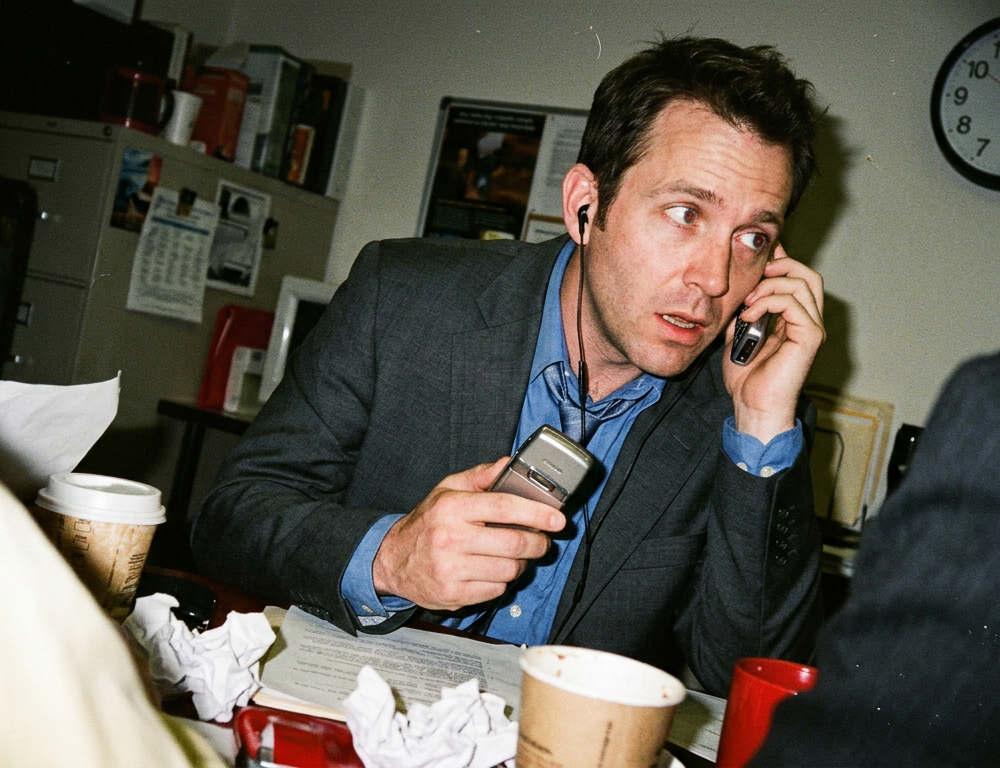
I saw that BDO launched this thing called '60-second Retail' and at first it felt a bit like a gimmick. We have been told for years that podcasts are about depth. They are about the long-form connection, the three-hour Joe Rogan-style odyssey where you really get into the weeds of someone’s childhood or their morning routine. But then I actually thought about what it’s like to work in retail ops or supply chain right now. You are basically putting out fires in a house made of cardboard and it is raining. You do not have forty minutes to hear a partner at a firm talk about their 'journey'.
What they are doing is treating audio like a tool. It is operational intel. It is a briefing. And honestly - it is probably the most honest version of B2B content I have seen in a while because it actually respects your time.
the myth of the commute
We used to build podcasts for the commute. We assumed you were sitting on a train or in a car and you needed to kill time. But the reality is that the people making the big decisions - the ones you actually want to reach - aren't looking to kill time. They are looking to save it. When you make a podcast that is sixty seconds or three minutes long, you are telling the listener that you have already done the hard work of editing for them. You have taken the messy, rambling reality of a business problem and condensed it into the one thing they need to know about store rationalisation or automation before they walk into a board meeting.
It is not entertainment. It is a decision-support product. If you think about it like that, the whole way you produce video and audio for your brand changes. You stop worrying about being 'engaging' in a broad sense and start worrying about being useful in a narrow one.
why short-form is harder to do well
It is actually much easier to talk for an hour than it is to talk for one minute. To talk for a minute and say something that actually matters, you have to really know your stuff. You can't hide behind buzzwords or 'circle back' to points you didn't quite land. You have to be precise. And a bit blunt. Most B2B marketing is allergic to being blunt because we are all scared of being wrong or sounding too simple. But being simple is hard.
If you are looking at your podcast stats and seeing that people drop off after three minutes, the answer might not be 'how do we make the next fifty-seven minutes better?' The answer might be 'why isn't this podcast only three minutes long?' We have this weird obsession with the 'standard' length of things. A blog post should be this many words. A podcast should be this many minutes. Why? Who decided? If you can tell me everything I need to know about ESG compliance in the time it takes for me to make a coffee, I am going to subscribe to you forever. Because you’re the only person in my inbox who isn't trying to steal my afternoon.
the tool over the talk show
Retail and consumer brands are starting to use these ultra-short formats as internal or semi-internal intel. Think about a store manager. They are on their feet. They have a million things to do. They aren't going to read a white paper. But they might listen to a 90-second update on new digital shifts while they are opening up the shop. It is about meeting people where they are, which is usually in a state of mild digital exhaustion.
This shift suggests that we are moving away from 'content' as a personality play and towards content as a utility. And like, obviously personality matters. You want to sound like a human. But the most 'human' thing you can do is give someone back five minutes of their life. If you can deliver a sharp, edited, high-production snippet that solves a problem, that builds more trust than a dozen rambling interviews ever could.
You should probably look at your content calendar and ask yourself how much of it is actually helping someone make a decision today. If it is all 'thought leadership' that requires a significant time investment, you are basically asking for a second date before you have even introduced yourself. Maybe try a one-minute version first. It is sort of terrifying because you realize how little you actually have to say once you strip away the fluff. But that’s the point. The fluff is what's killing your engagement.
BDO is onto something here because they’ve realised that in the B2B world, brevity isn't just about attention spans being short - it's about the value of the listener's time being high. Start treating your podcast like a piece of software or a tool. Make it something that acts as a shortcut. People pay for shortcuts.