the netflix tax on your attention
Netflix is hiking prices to fund a massive move into video podcasts. Here is why the world’s biggest streamer is betting on a format you might still think is 'just audio'.
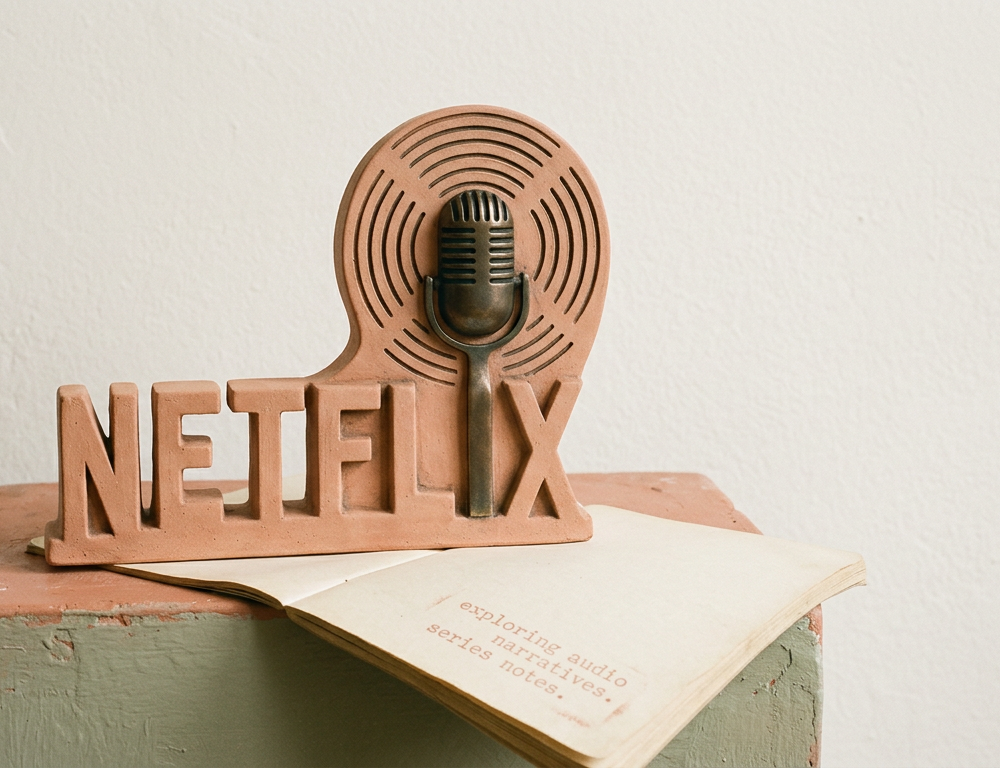
You are probably paying an extra two quid a month soon so Netflix can buy more video podcasts. That feels like a bit of a reach, honestly. Usually, when a streaming giant hikes the price, they tell you it is for the next season of the show everyone is talking about or some high-fantasy epic that cost half a billion dollars to render. But no. This time, they are being quite literal about it. They want your money because they want to own the conversation, and the conversation is happening in studios with three cameras and a couple of Shure SM7Bs.
It is sort of hilarious that we are here. For years, the vibe was that podcasts were the thing you listened to while you were doing something else. Tidying the flat, commuting, pretending to work. Now, the biggest distribution platform in the world is betting its subscriber retention on the fact that you will actually sit down and watch two people talk in a room for an hour. And if you are a B2B marketer watching this from the sidelines, you should probably stop thinking of video podcasts as a 'nice to have' or a repurposed social asset. Netflix just told you it is the product.
the engagement trap is real
Netflix is smart. They know that the problem with prestige TV is that it is incredibly expensive and people bin the subscription the second they finish the series. Video podcasts solve that. They provide a reason to open the app every single week. It is a different kind of value. It is not about the CGI. It is about the fact that you feel like you know the person on screen. That kind of parasocial bond is remarkably hard to break, and even harder to replicate with traditional advertising.
If you are running a business, you are essentially in the same fight. You are trying to find a way to stay relevant in a feed that is designed to make people forget you. Most B2B content is essentially a very boring, very expensive movie that nobody asked for. It has high production value but zero soul. Netflix is pivoting to podcasts because they realise that 'personality' is a better retention tool than 'production value'. You can have the slickest brand video in the world, but if it doesn't feel human, people will tune out the second the progress bar starts moving.
stop calling it a podcast
The word 'podcast' is starting to feel a bit dusty. It carries the baggage of 2014 - low-res audio and people talking about their weekend for twenty minutes before getting to the point. What Netflix is doing with Spotify and Barstool is something else. They are creating 'visual intellectual property'. It is a show. It just happens to be a show that is conversational and relatively cheap to produce compared to a drama.
When you start thinking about your video podcast as a show rather than a marketing exercise, everything shifts. You stop worrying about the 'call to action' in the first five minutes and you start worrying about whether the person watching actually likes you. Or at least, whether they find you interesting enough to not close the tab. Netflix knows that if they can get you to watch a Barstool clip on their platform, they’ve won. You are in their ecosystem. You are leaning in. Most B2B brands are still trying to push their message out, rather than creating something that people actually want to pull towards them.
distribution is the only thing that matters
There is a lesson here about where your content lives. Netflix isn't just making these shows; they are buying the gates. By partnering with iHeartMedia and Spotify, they are making sure that the content exists everywhere but feels 'at home' on the big screen. This is the bit that most companies get wrong. They spend all their budget on the video and then just... post it on LinkedIn. Once. And then they wonder why it didn't 'go viral'.
A real video podcast strategy is about ubiquity. It is about the long-form video on YouTube or a premium platform, the audio on Spotify, the high-intensity clips on social, and the deep-dive insights in a newsletter. It is an engine. Netflix is raising prices to fund this because an engine requires constant fuel. But once it starts running, it is much harder to stop than a one-off campaign. It becomes a habit for the audience. And habits are what actually build brands.
the premium pivot
There is a specific kind of confidence in telling your customers they have to pay more for video podcasts. It suggests that the format has finally moved past its 'amateur' phase. It is now a premium asset. For B2B, this is the signal to stop settling for 'good enough' production. If your video podcast looks like a Zoom call from 2020, you are telling your audience that your insights are as low-budget as your setup. You don't need a Netflix budget - actually, you definitely don't need a Netflix budget - but you do need to respect the medium.
People consume video podcasts on their 4K TVs now. They watch them on their tablets in bed. The expectation for how these things look and sound has gone through the roof. If you want to occupy the same mental space as the creators Netflix is buying, you have to show up with the same level of intentionality. Lighting, sound, the way you edit for pace - it all matters because it is a signal of how much you value your viewer's time. If you don't value it, why should they pay you with their attention? Or their money?
Netflix is betting that you will. They are betting that the connection you feel to a specific creator or a specific show is worth an extra few pounds a month. They are probably right. People don't cancel their subscriptions to things that make them feel smarter or more connected to a community. They cancel things that are just 'content'. If you are a business leader, the question isn't whether you should start a podcast. It is whether you are prepared to make something that someone would actually miss if it disappeared tomorrow.