the ai euronews pivot is actually just a video podcast
Euronews is using AI to turn the news into a visual podcast experience. It looks like the future, but it's really just confirmation of where B2B video is going.
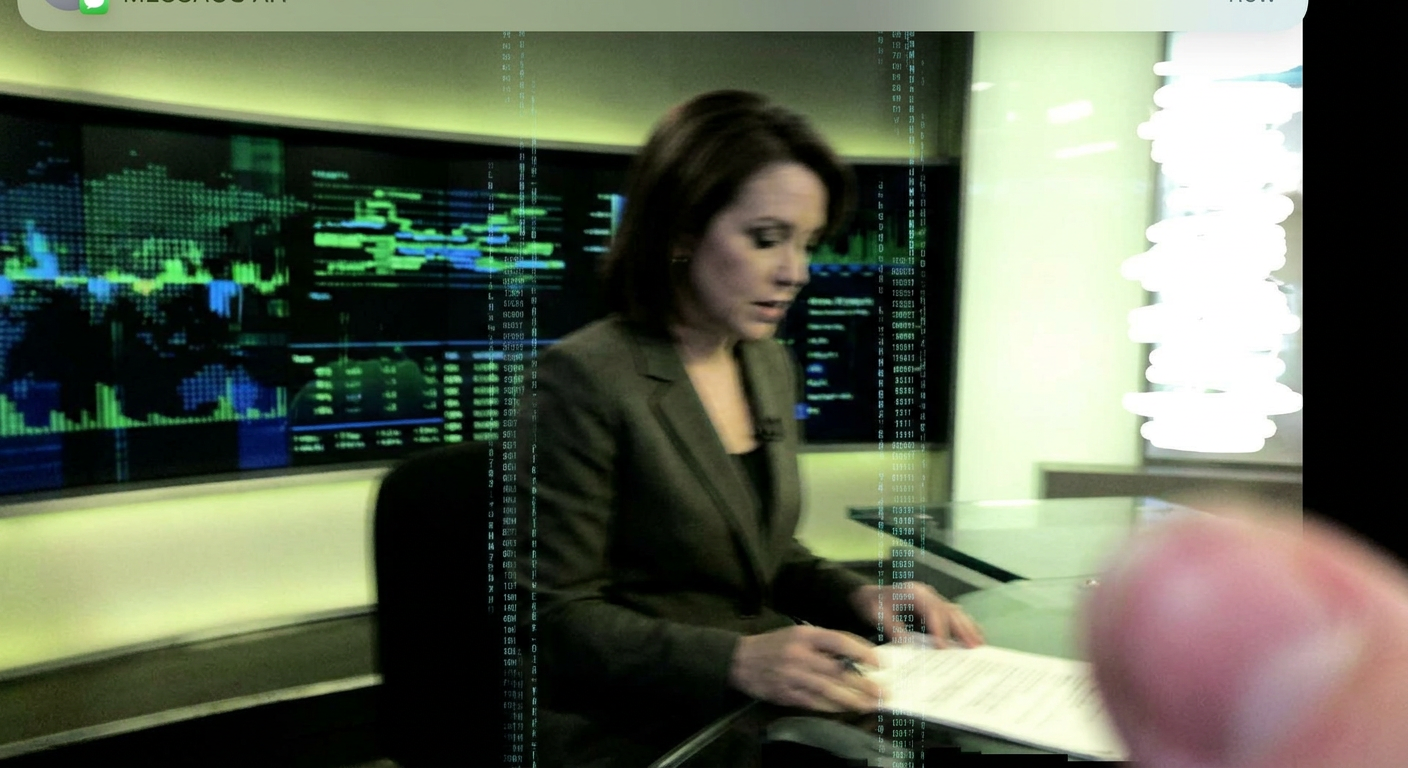
You have probably seen those AI generated videos by now. The ones where the camera movement feels a bit too fluid and the textures are slightly too perfect - bordering on the uncanny valley but not quite falling in. Euronews just leaned into this hard with their new video bulletins and honestly, it is the most honest thing a legacy media brand has done in years. They aren't trying to pretend it’s a traditional broadcast anymore. They have basically admitted that the news is just a very high stakes video podcast.
the end of the talking head
The problem with traditional B2B video - and news, for that matter - is that watching a person sit in front of a shelf of books for twenty minutes is kind of exhausting. We like people, sure. But we don't necessarily want to stare at their pores while they explain market dynamics or the latest EU regulations. Euronews is using AI to create these dynamic, immersive visuals that wrap around the information. It is less like a lecture and more like an experience. It feels like they’ve realised that if you want someone to stay for the whole ten minutes, you have to give their eyes something to do while their ears do the work.This is exactly where the premium B2B podcast space is heading. If you are just recording a Zoom call and putting it on YouTube with a static thumbnail, you are effectively asking your audience to do a lot of cognitive heavy lifting. You’re asking them to stay focused on a grainy rectangle. Euronews is showing that AI isn't just for making weird deepfakes of celebrities. It’s for building a visual world that helps the story land. It’s about making the information feel as important as it actually is.
why visuals are the new seo
We need to talk about why they are doing this on YouTube specifically. Every B2B marketer says they want "reach" but then they hide their best insights in a whitepaper that requires a work email and a soul-deep commitment to read. Euronews is doing the opposite. They are taking dense, complex geopolitical shifts and turning them into short-form, visually arresting clips. Those clips are what drive the growth. They are the top of the funnel. But the visual isn't just window dressing. It affects how people perceive the brand. When you see a video that looks like it has a million-euro production budget because of clever AI integration, you subconsciously trust the information more. It’s a bit shallow, maybe. But looking like you belong in the future is a legitimate business strategy. If your video podcast looks like it was filmed in 2012, people will assume your ideas are from 2012 too.
the roi of looking like you care
People get very twitchy about ROI when it comes to high-end video. They want to know exactly how many leads a specific 60-second clip generated. And while the new analytics tools Euronews is using can sort of track that - looking at heatmaps of where viewers drop off or what visuals triggered a spike in engagement - that’s almost missing the point. The point is authority. When you invest in visual storytelling that doesn’t just repeat what’s being said but enhances it, you are building a moat. Anyone can start a podcast. Literally anyone with a USB mic and a spare afternoon. But not everyone can create a visual identity that feels like a destination. Euronews is using AI to create that sense of "must-watch" rather than just "might-listen." It’s a shift from audio-first with a camera on to video-first with a high-quality script. The distinction is small but it changes everything about how the audience consumes the content.
actually using the tech
There is a temptation to see what Euronews is doing and think, right, we need an AI department. You probably don't. What you actually need is a better understanding of how people watch things now. They watch in silence on the train. They watch in a small window while they’re doing something else. They watch because something shiny caught their eye while they were scrolling and then stayed because the content was actually good. AI-driven visuals are just a tool to solve the attention gap. If you’re a mid-market B2B firm, you don’t need to simulate a 3D newsroom. You just need to stop being boring. You can use these tools to generate b-roll that actually matches your niche talking points, rather than using the same three stock clips of people shaking hands in a glass office that everyone else uses. It’s about specificity. AI lets you be specific at a scale that used to be impossible for anyone without a BBC-sized budget.
the messy middle
Is it perfect? No. Sometimes the AI generated backgrounds look a bit too much like a fever dream. But that is kind of the charm. It’s different. It stands out in a feed full of polished, corporate perfection that we’ve all learned to filter out. There is a certain humanity in the weirdness of it. The irony is that by using more artificial tools, Euronews has made something that feels more engaging than their old, stiff broadcasts. It’s a lesson for anyone sitting on the fence about video podcasting. The risk isn't that you'll look too "out there." The risk is that you'll look like everyone else and nobody will notice you at all. You have to be willing to experiment with the format if you want the growth that everyone else is fighting over. It’s not about the tech, really. It’s about the fact that you bothered to try something that isn't a boring webinar clip.