the b2b podcast as a community hub is the only way to not go invisible
Most B2B podcasts are shouting into a void. Turning your show into a Slack or Discord community is how you actually build loyalty and recurring revenue.
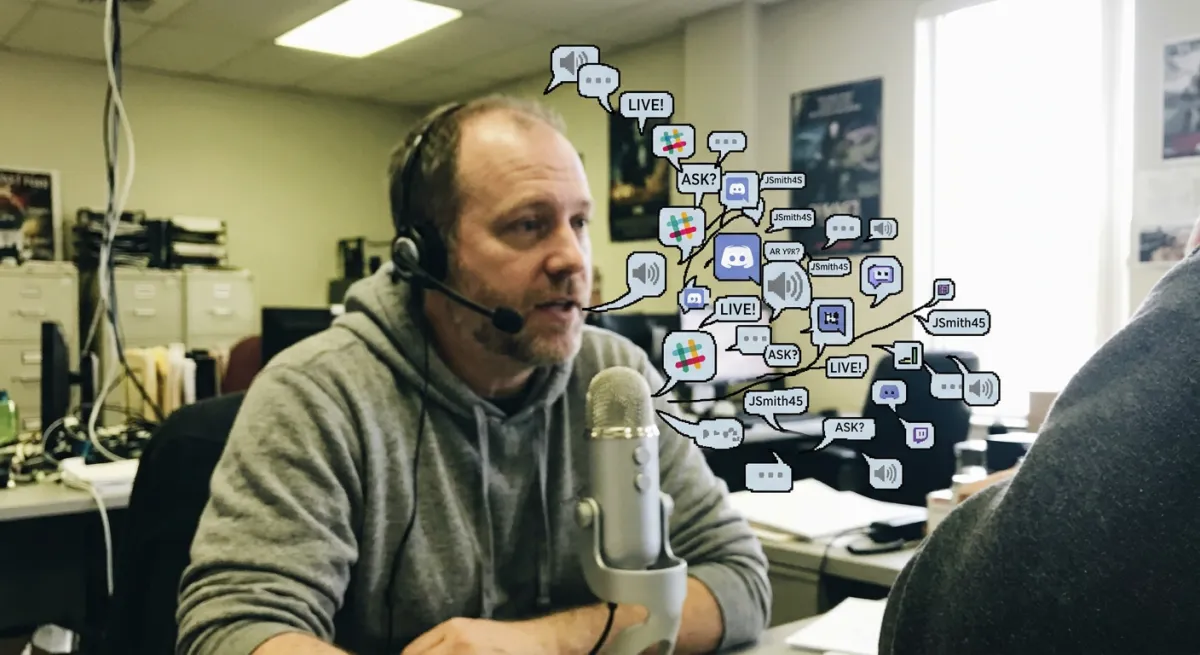
You are probably tracking downloads because you don't know what else to track. It feels good when the graph goes up, even if you have no idea who those people are or if they even like your brand. But downloads are a vanity metric that hides a scary reality: most B2B podcasts are basically just one-way monologues that your audience listens to while they're doing the dishes or trying to ignore a spreadsheet. It is passive. It is fleeting. And it is kind of a waste of your marketing budget if you aren't doing something more with it.The shift happening right now is moving away from the "broadcast" model. Nobody needs another dry interview show where a CEO talks about their journey for forty minutes. What people actually want is a place to talk about the things they just heard. They want to argue with the guest, ask for the template you mentioned, and meet other people who are dealing with the same specific problems. This is why the smartest shows are pivoting into community hubs. They are using the audio as a hook to pull people into Slack channels or Discord servers where the real business happens.
the three-month rule
You shouldn't start a community on day one. It feels desperate. If you launch a Slack group with zero listeners, you are just inviting people into a digital ghost town, and there is nothing more depressing than an empty channel with one "hello?" message from a marketing manager. I usually think you need about three to six months of consistent episodes before you even mention a community. You need to earn the right to occupy a space in their sidebar.Once you have that small, core group of people who listen every week, you open the doors. But you don't just say "join our community" because that sounds like work. You offer something specific. If your episode was about how to hire a head of sales, the call to action isn't just a link to your website. It's "I've dropped the exact interview scorecard we discussed into the Slack channel, come grab it." This is where the CRM integration comes in. You aren't just building a fan club - you are building a lead list of people who are genuinely engaged with your specific point of view.
why slack is better than linkedin for this
LinkedIn is where everyone goes to perform a version of themselves. It is filtered and polished and, frankly, a bit exhausting. If you want actual loyalty and recurring revenue, you need a space where people feel like they can be a bit more honest. A private community attached to a podcast feels exclusive in a way that a LinkedIn feed never can. It is a direct line to your best customers.When you move the conversation from a podcast player to a community hub, you change the nature of the relationship. You stop being a content creator and start being a facilitator. And honestly, it's a lot easier to sell things to people when you've spent three months helping them solve problems in a group chat. It bypasses the whole traditional ad dependency. You don't need to sell mid-roll spots for software you don't use when you have a direct channel to turn listeners into clients via a template or a quick chat in the DMs.
content that actually feeds the hub
If you want this to work, your podcast content has to be designed to be interactive. You can't just talk into a void. You have to leave loops open. Mention things that you'll be discussing in the community. Ask your listeners to vote on the next guest inside the Discord. Make the episode feel like the start of a conversation, not the end of one.The goal is to align your content with the buyer journey. If you know your typical customer spends six months thinking about a purchase, use your podcast and community to walk with them through that period. Give them the tools, the templates, and the peer support they need during that consideration phase. By the time they are ready to buy, you aren't a vendor - you're the person who runs the community they check every morning. It is a massive competitive advantage that most B2B brands are simply too lazy to build.
the logistics of not being annoying
The biggest risk here is that you become just another notification they want to mute. You have to be careful. Don't over-automate. Don't let your sales team jump on every new member like a pack of wolves. The community has to have value even if they never buy your product. That is the paradox of it - the less you try to sell, the more you probably will.Keep it focused on episode-specific discussions. Make sure there is a clear reason for them to be there. And if the conversation dies down for a week, let it. It's better to have a quiet group that provides value once a week than a noisy one that people leave because it's cluttering up their workspace. It's about being a useful part of their day, not a loud one. The recurring revenue follows the trust, and trust is built in the small, unpolished interactions that happen after the mics are turned off.