the corporate legacy video is dead. long live the messy talk show.
Illumina’s new podcast The Sequence shows that even giant genomics firms are ditching the polished corporate film for something more human. Here is why you should too.
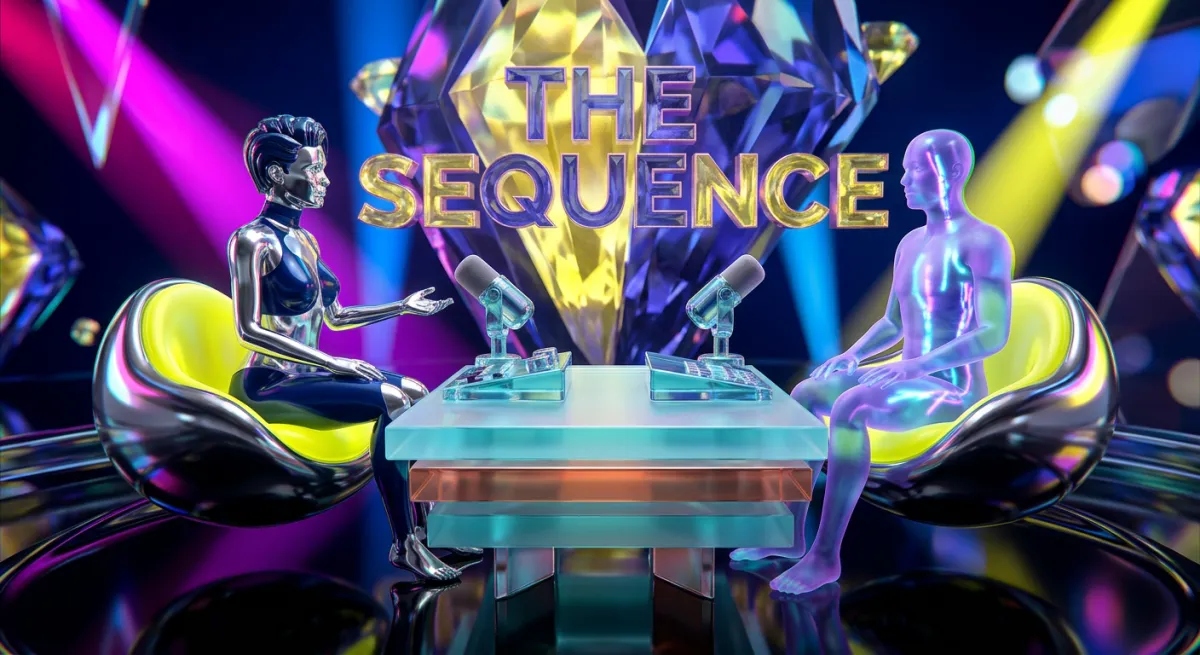
There is this specific kind of corporate video that every B2B company used to make. You know the one. It has the drone shot of the office park, the generic cinematic orchestral music, and an executive sitting in a glass-walled conference room looking intensely at a tablet. It is meant to look important. Instead, it just looks like a screen saver for a company that doesn't trust anyone to see who they actually are.Illumina just did something different. They are a massive genomics company - not exactly a brand you expect to be edgy - but they launched a video podcast called The Sequence. It is basically their CTO, Steve Barnard, sitting down to talk about how they went from a scrappy startup to the thing they are now. And honestly, it is the most interesting thing they have put out in years. Not because the production is mind-blowing, but because they finally stopped trying to be 'professional' and started trying to be real.It is a bit of a shift. It says that the high-stakes world of enterprise tech is finally realising that people do actually buy from people. Or at least, they listen to them.
the shift from polish to personality
For a long time, the thinking was that if you were a big company, your content had to be perfect. Every word vetted by legal, every frame colour-graded to death. But that kind of polish acts as a barrier. It is a suit of armour that prevents anybody from actually connecting with the person speaking. When Steve Barnard sits down for a podcast, he isn't delivering a prepared statement. He is telling stories. Real stories about the messy reality of scaling a biotech giant.The format itself is the strategy. By choosing a video podcast, Illumina is admitting that the conversation matters more than the presentation. They are inviting you into the room. It feels less like a marketing asset and more like a documentary that just happens to be hosted by the brand. This is where B2B is heading. People are tired of being sold to, but they are absolutely obsessed with hearing how smart people solve difficult problems.And you sort of have to wonder why it took this long. We spend our lives listening to podcasts where people talk for two hours about niche history or physics. Why did we think B2B audiences only had a thirty-second attention span for 'impactful solutions'?
why the c-suite needs a camera
There is a specific kind of credibility you only get when you see someone's face while they are thinking. In The Sequence, you see the pauses. You see the genuine enthusiasm. You see the actual human being who is responsible for the tech. That is something a white paper or a ghostwritten LinkedIn post will never give you.For a lot of B2B leaders, the idea of a video podcast is terrifying. They think they need to be a 'content creator' or have a 'vibe.' They don't. They just need to be an expert who is willing to talk. The beauty of this format is that it rewards depth. If you are a CTO and you spend forty-five minutes talking about the evolution of sequencing chemistry, the average person might be bored, but your actual customers will be leaned in. They will feel like they know you. And when they know you, the sales cycle changes entirely.It is about building a narrative that belongs to you. If you don't tell the story of your company's innovation, someone else will - or worse, nobody will. Illumina is using this to claim their spot as the definitive voice in their space. They aren't just selling machines; they are owning the conversation about where the industry is going.
the 'new model' isn't that new
People call this a 'new model' for corporate storytelling, but it is really just a return to how humans have always shared information. We talk. We tell anecdotes. We disagree. The only thing that is new is that we are finally letting the cameras roll while it happens. Most B2B marketing is so sanitized that it loses all its flavour. It is like institutional food - it does the job, but nobody actually enjoys it.If you are sitting on a mountain of institutional knowledge and your only way of sharing it is through a quarterly PDF, you are losing. You are leaving the most valuable parts of your brand on the cutting room floor. The 'messy' parts - the failures, the pivots, the weird coincidences that led to a breakthrough - those are the things people remember. They are the things that make your company feel like it has a soul.But you have to be careful. You can't just slap a microphone in front of an executive and expect magic. It requires a bit of an editorial eye. You need to know which stories are worth telling and which ones are just internal noise. Illumina got this right because they focused on the narrative arc. They treated it like a show, not a meeting.
stop overthinking the tech
The biggest hurdle for most companies isn't the content, it is the fear of the production. They think they need a studio that looks like a spaceship. They don't. They just need good light, clear audio, and a host who knows how to listen. The Sequence looks good, sure, but it looks like a place where work actually happens. It doesn't look like a film set.There is a lot of talk about 'authenticity' in marketing, which is a bit of a paradox, but this is what it actually looks like in practice. It is the willingness to be seen in a high-resolution, unscripted environment. It is about trusting your executives enough to let them speak without a teleprompter.If a company as regulated and complex as Illumina can do this, your company can do this. The bar is actually quite low because most B2B content is so incredibly dull. If you show up and act like a real person for thirty minutes, you are already ahead of 90% of your competition. It is genuinely that simple, even if it feels complicated when you are sitting in a strategy meeting trying to justify the budget.
the long game
A video podcast is not a lead-gen tool for next Tuesday. It is a long-term play for authority. It is about building a library of content that proves you know what you are talking about. When someone is researching your company, and they find a series of videos where your leaders are discussing the future of the industry with genuine passion, that is more persuasive than any sales deck.It builds a sort of compound interest. Each episode adds to the story. Each guest brings a new perspective. Eventually, you don't just have a podcast; you have a brand world that people can inhabit. You become the go-to source for information in your niche. And that is the goal, isn't it? To be the person everyone listens to. Illumina realized that you can't do that through press releases alone. You have to show up. You have to speak. You have to be part of the culture you are trying to lead. The Sequence is just the beginning of what this looks like for the rest of us. It is time to turn the cameras on and actually say something.