the death of the 40-page pdf and what comes next
Dumping a proprietary research report into a random link on LinkedIn is basically a cry for help. It is time we actually used podcasts to make data human.
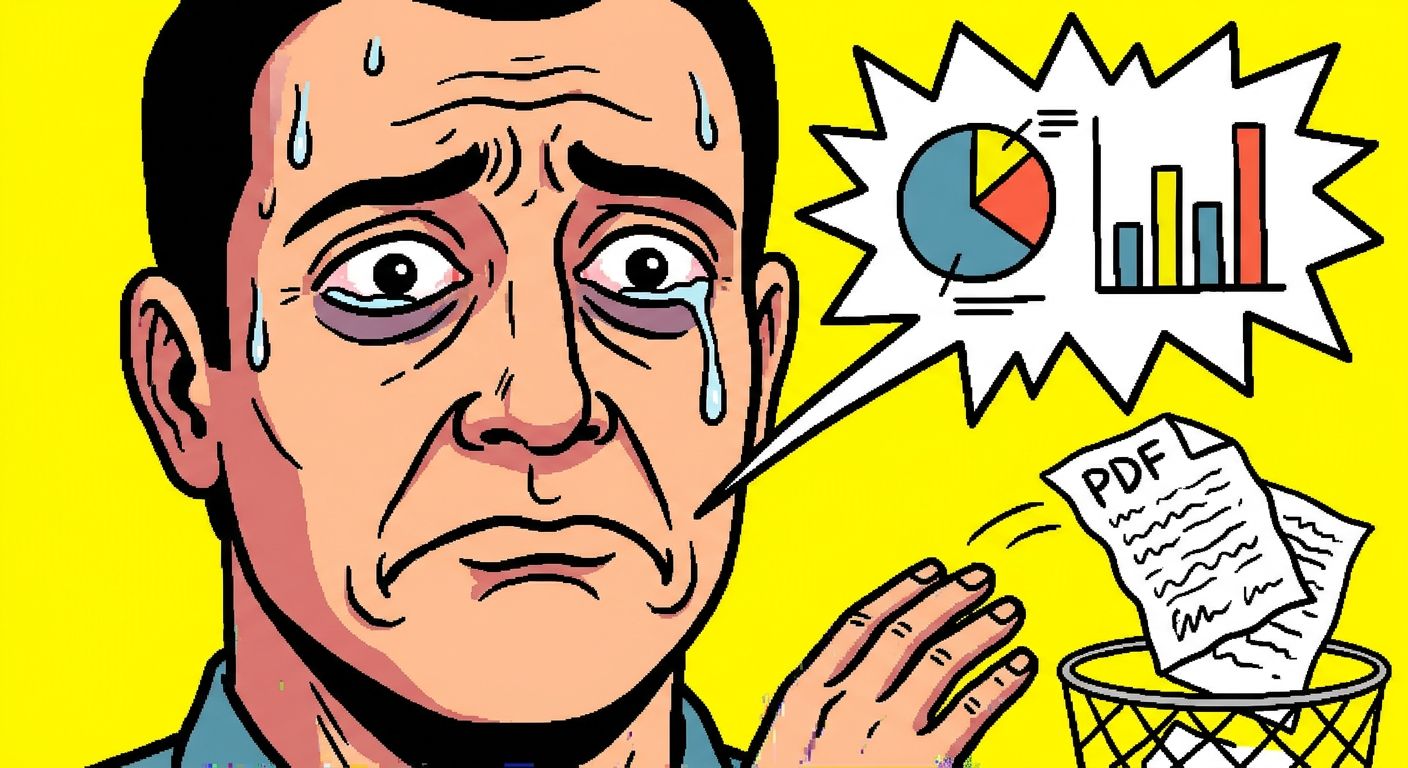
You have spent six months and probably forty grand on a proprietary research report that basically confirms what everyone in your industry already knew - but now it has charts. It is a beautiful PDF. It is dense. It is authoritative. And honestly, it is currently sitting in a 'to read' folder on about three hundred different desktops, never to be opened again. High-quality B2B research is becoming a bit of a graveyard for good ideas because we still insist on delivering it like it’s a university thesis from 1998.
The thing is, nobody actually wants to read your report. They want the insight, but they don't want the homework. This is why agencies like Column Five are starting to pivot towards this hybrid thing where the data isn't just a static document, but the script for a podcast. It is not just about 'promoting' the report. It is about treating the audio as the primary way people actually consume the thinking, while the PDF serves as the receipt.
the gartner problem
We have spent decades being told that authority looks like a Gartner Magic Quadrant or a Forrester wave. It is clinical. It is cold. It is deeply corporate. But the problem with trying to out-Gartner Gartner is that you do not have their brand equity. If you are a mid-market SaaS company or a specialized consultancy, your data needs a pulse to survive. If it doesn't have a voice attached to it - literally - it just feels like more noise in an already very loud room.
When you take that research and you build a limited-series podcast around it, you are doing something the big analysts usually fail at. You are providing context. You are showing the working out. You are letting people hear the 'why' behind the numbers. Data on its own is just a spreadsheet with a haircut. Data delivered via a conversation between two people who actually care about the subject feels like a proprietary advantage.
stop obsessed with downloads
The biggest mistake B2B marketers make when they start a podcast to support their research is checking the download numbers every fifteen minutes. It is a bit embarrassing, really. If you are a niche player in a specific vertical, you do not need ten thousand downloads. You need the five hundred people who actually make buying decisions in your sector to listen to one specific episode. That is it. That is the whole game.
This hybrid model allows for a kind of measurement that is much more interesting than raw traffic. When you integrate your podcast with a research report, you can track the path from 'listener' to 'lead' with a lot more precision. You can see who downloaded the report after hearing the episode. You can see which specific data point mentioned in the audio led to a demo request. It's about attributable thought leadership - which is a bit of a buzzword, I know, but it actually describes the thing that happens when someone buys from you because they finally trust that you know what you're talking about.
how to actually do this without being boring
If you just read the executive summary of your report into a Shure SM7B, please do not bother. Nobody wants to hear you read a whitepaper. The goal is to use the data as a springboard for a real conversation. You lead with the 'weird' stuff. What was the one stat in the report that actually surprised your team? Which trend did you think was going to be huge but turned out to be a fluke? Those are the things that make for good audio.
You should probably think of the podcast as the 'director's commentary' for the research. You have the polished, final version in the PDF, but the podcast is where the nuance lives. It’s where you can say things like "we actually struggled to find a consensus here" or "this data point kind of indicates that our entire industry is heading for a wall." That level of honesty is what builds a brand. It is also something a PDF can never quite convey because lawyers and brand managers usually scrub the personality out of everything before it hits the printer.
the long tail of audio data
There is also this weird longevity that happens with audio-integrated research. A report usually has a shelf life of about three months before it feels 'old.' But a well-produced podcast episode stays in the feed. It gets shared in Slack channels. It becomes the thing people send to new hires to get them up to speed on the market. By humanising the data, you give it a longer half-life.
And look, if you’re worried about the production value, you should be. But not in the way you think. You don't need a million-pound studio. You need it to sound clean, yes, but more importantly, you need it to feel like a premium experience. If the audio sounds like you're talking through a tin can in a bathroom, it doesn't matter how good your 'State of the Industry' report is. People will associate the low-quality sound with low-quality thinking. It is an unconscious bias, but it is a very real one.
Ultimately, the agencies winning at this right now are the ones who treat the podcast as part of the product, not just a marketing channel. They are building 'data storytelling' into the very beginning of the research process. They are thinking about what the audio clips will sound like before they've even finished the survey. It is a bit more work, sure. But it is better than watching your expensive research report collect digital dust in a corner of the internet where nobody goes.
If your data is actually good, it deserves better than a landing page with a form on it.