12 Corporate Video Examples That Actually Drove B2B Pipeline
Twelve corporate video formats that earn their budget in B2B, what each is for, when it works, and the pipeline signal that proves it. No showreels.
Most round-ups of corporate video examples are showreels in disguise: ten handsome films, zero commercial logic, and no mention of what any of them were supposed to achieve. Enjoyable to scroll. Useless for planning a budget.
This is not that list. Below are twelve types of corporate video that consistently earn their keep in B2B, each tied to a business goal, a real-world pattern that works, and, because this is the part everyone skips, the measurable signal that tells you it is doing its job. It is the same thinking our corporate video production team walks clients through before a single camera gets booked.
Three numbers worth holding in mind first. They are market-typical patterns, not client data, but they shape almost every recommendation below.
Demand: Videos That Make the Right People Notice You
These four exist to put you in front of buyers who were not looking for you. They are the slowest to pay back and the most tempting to judge on vanity metrics. Resist.
1. The brand film
A two-to-three-minute cinematic statement of who you are and why anyone should care. The reference point in B2B remains Volvo Trucks' Epic Split: technically a product demonstration, in practice a brand film that briefly made a truck manufacturer the most discussed advertiser on the planet. You do not need Jean-Claude Van Damme. You do need a point of view sharp enough to survive being filmed.
It works when you are repositioning, entering a new category, or selling to buying committees who need to feel the company is substantial before anyone agrees to a call. It fails as a standalone tactic: a brand film raises the ceiling for everything else you publish; it does not fill pipeline on its own.
Watch: branded search volume and direct traffic in the weeks after launch. View counts flatter. Search behaviour does not.
2. The executive thought-leadership series
A recurring run of short, native videos in which a senior leader says something they actually believe, published where buyers scroll, which in B2B usually means LinkedIn. The pattern was proven by the wave of SaaS founders who quietly out-published their own marketing departments: low production ego, high opinion density, relentless consistency. It dies the moment legal sands the edges off.
It works in long sales cycles where buyers trust people before products, and when your executives hold genuine views rather than approved messaging.
Watch: who engages, not how many. Comments from titles you sell to, and the frequency of “I've seen your videos” on first calls. Self-reported attribution shows up months before the CRM notices.
3. The video podcast series
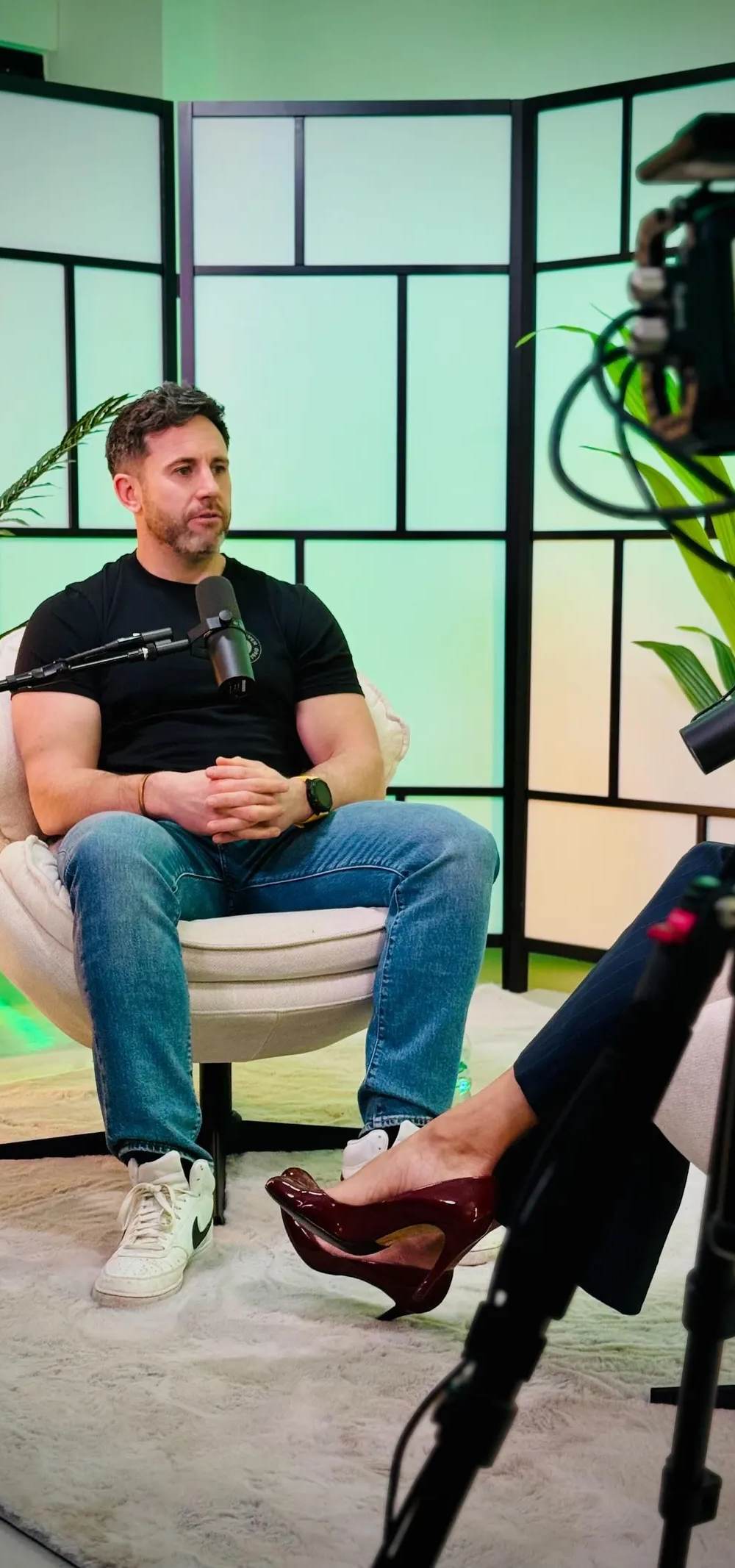
A recurring, properly filmed long-form conversation, cut into clips that feed every other channel for weeks. This is our home turf, since video podcast production is where Earworm started, so weigh the enthusiasm accordingly. The commercial logic is hard to argue with regardless: one recording session yields a flagship episode, a fortnight of clips, and a standing reason to invite your ideal customers into a room. The CFO Playbook, the show we produce with Soldo, books the exact finance leaders the brand wants to reach, as guests.
It works when you want content that compounds rather than expires, and when the guest relationships are worth as much as the audience.
Watch: retention on full episodes and guest-to-opportunity conversion. Never downloads.
4. The event highlight film
The sixty-to-ninety-second aftermovie plus a bank of session cuts. Salesforce and HubSpot run this pattern at scale: the conference lasts three days; the content programme it feeds runs all year.
It works when you already spend heavily on events and want that spend to outlive the venue hire. The aftermovie sells next year's ticket; the session cuts carry the substance.
Watch: registrations for the next event attributed to the film, and how long the session cuts keep accumulating views after the lanyards go in the bin.
Proof: Videos That Turn Interest Into Belief
Mid-funnel is where most B2B deals actually stall, and where video does its least glamorous, most valuable work.
5. The customer story film
A customer, on camera, explaining life before and after you. The pattern Slack made famous with “So Yeah, We Tried Slack”: a real customer, genuinely funny, specific about what changed. Specificity is the whole game. A montage of smiling stakeholders calling you a great partner persuades nobody.
It works mid-funnel, when the buyer's real question is “will this work for a company like ours?” The same logic sits behind our own case studies: proof beats promise, every time.
Watch: usage by the sales team. If reps do not voluntarily send it, it did not work, whatever the view count says.
6. The case-study film
The customer story's more disciplined sibling: a tight problem–solution–result structure, around two minutes, built for the decision stage rather than the feed. Its real audience is the buying-committee member who never attends a call but still holds a veto.
It works late in the cycle, in considered purchases where half a dozen stakeholders weigh in and most of them will only ever meet you as a link in a forwarded email.
Watch: per-viewer completion through whatever platform your sales team shares video with, and whether late-stage deals that received it move faster than those that did not.
7. The product explainer
Sixty to 120 seconds on what the product does and why that matters. Dropbox's original explainer remains the canonical example: a plain animation that explained a product people did not yet know they needed, and anchored the entire homepage while doing it.
It works when the product is new, technical or chronically misunderstood, and when it sits on a page with a job to do.
Watch: conversion of the page it lives on. Demo requests per visitor, watched versus not watched. If the video cannot move that number, it is decoration.
8. The animated process explainer
Animation for the things you cannot film: data flows, integrations, compliance processes, anything that lives inside an API. Where the product explainer sells the what, this one de-risks the how.
It works when the buyer's true blocker is “this sounds painful to implement”, which in B2B describes more stalled deals than anyone admits.
Watch: the retention graph. The second viewers leave is the exact point your explanation stops making sense. A free, brutal edit note.
A corporate video without a signal attached is decoration with a budget line.
Conversion: Videos That Move Named Deals
The closer video gets to a specific deal, the less polish it needs and the more precision it demands.
9. The webinar-to-clips system
A system, not a video: one recorded session becomes a dozen titled clips, a nurture asset and a set of answers to questions your buyers are already searching. Most webinars die within a week of the live date. The clips system is how they stop being funerals.
This is home turf for us too. It is the same repurposing discipline we run on podcast episodes, pointed at a different source. It works when you already run webinars and the recording currently retires to a landing page to be ignored.
Watch: watch time per clip, by topic. The titles that hold attention are a free content strategy for next quarter's sessions.
10. The sales-enablement one-to-one video
Short, personal, deliberately unpolished videos from a salesperson to a named buyer: a proposal walkthrough, a follow-up, a two-minute answer to a hard question. The cheapest format on this list and, per viewer, frequently the most valuable.
It works in considered deals where you are one of several open tabs, and at the stall point where a plain-text nudge would be the fourth in a row.
Watch: reply rate against your plain-text baseline, and whether proposal walkthroughs get finished before the decision meeting. An unwatched proposal video is its own kind of forecast.
Inward-Facing: Videos That Protect the Machine
Two formats that never touch a prospect and still show up in the P&L.
11. The recruitment and culture film
A day-in-the-life film honest enough that some candidates self-select out. That is the feature, not the bug. The drone shot of the office atrium convinces no one; candour does, which is why companies that publish how they actually work, GitLab's public-handbook culture being the best-known model, attract people who want exactly that.
It works when you are hiring for competitive roles and your employer brand lags the reality of the job.
Watch: offer-acceptance rate, application quality, and how often candidates mention the film in interviews. Recruiters hear attribution long before dashboards show it.
12. The internal comms and training film
Announcements, onboarding and product training delivered as video people actually finish, rather than the sixth all-staff email of the week. Unglamorous, and routinely the highest-completion content an organisation makes.
It works in distributed teams, during change programmes, and anywhere the same question keeps landing in the same inbox.
Watch: completion and re-watch rates in your LMS or intranet, and whether repeat questions fall after a training film ships. Fewer tickets is a pipeline metric in overalls: it buys back selling and support time.
How to Choose: Match the Video to the Gap
Twelve options is eleven too many for one quarter. Start from the weakest point in your funnel and work backwards. This is the sequencing conversation our corporate video production team has most weeks, and it is usually over in ten minutes once the pipeline data is on the table.
| Where the gap is | Reach for | The signal that matters |
|---|---|---|
| Nobody knows you | Brand film, exec series, video podcast, event highlight | Branded search, engagement from target titles |
| They know you, don't believe you | Customer story, product explainer, animated explainer, webinar clips | Retention, on-page conversion |
| They believe you, haven't signed | Case-study film, one-to-one sales video | Per-viewer completion, deal velocity |
| The gap is internal | Recruitment film, comms and training | Offer acceptance, completion, fewer repeat questions |
The Pattern Behind All Twelve
Reread the list and the same structure repeats: a goal, an owner, a signal. The videos that drive pipeline are commissioned backwards, metric first, format second, script third. The ones that do not begin with “we need a video” and end with a beautifully graded film nobody can defend at budget review.
Make the Next One Measurable
Earworm built its name producing B2B video podcasts, and the same crews, studios and measurement discipline now run the full slate above. If you are deciding which of these twelve deserves a place in your next quarter, explore our corporate video production services, or book a call and we will help you pick the one your pipeline is actually missing.