How to Get on Podcasts: The Definitive Guide to Podcast Guesting
Learn how to get on podcasts: pick the right shows, pitch hosts properly and turn guest spots into pipeline. Read Earworm's definitive guide.
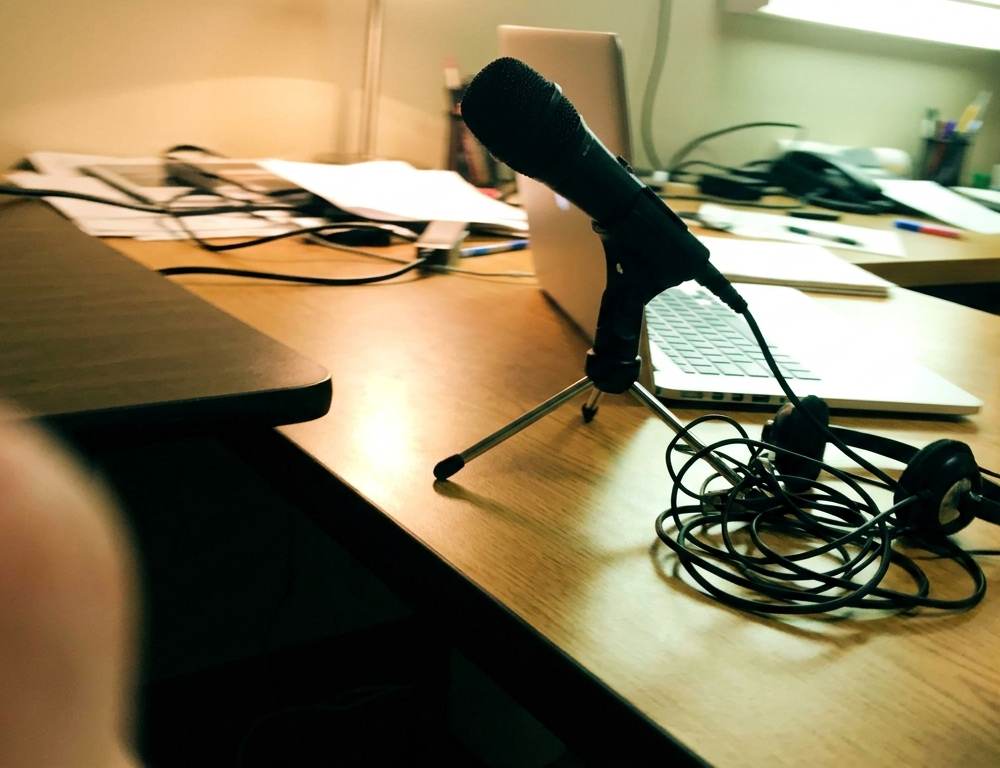
Most advice on how to get on podcasts boils down to "email a hundred hosts and hope". It fails, because it treats guesting like cold outreach, which is exactly the thing guesting is supposed to replace. Done well, a podcast appearance puts you in front of a room of your ideal buyers for forty minutes, with the host vouching for you at the door. Done badly, it is spam with extra steps.
This guide covers the whole job. Picking shows your buyers actually listen to. Positioning yourself as someone worth booking. Writing a pitch that gets answered. Being the kind of guest who gets invited back. And turning a single appearance into a system that feeds your pipeline for years. It is long, because the subject deserves better than five bullet points. If you would rather have professionals run all of this for you, that is what our podcast PR service exists for. If you want to do it yourself, and do it properly, read on.
Why Podcast Guesting Beats Cold Outreach
Consider what a cold email buys you. A few seconds of attention from someone who did not ask to hear from you, filtered through every defence they have built against being sold to. Even a good cold email is an interruption, and the reader's first instinct is to find a reason to delete it.
Now consider a podcast appearance. Listeners chose to press play. They are commuting, walking the dog, cooking dinner, and they have given the show thirty to sixty minutes of genuine attention. Nobody skims a podcast.
Three things make guesting unusually powerful for B2B:
- Borrowed trust. The host has spent years earning their audience's attention. When they introduce you as a guest, some of that trust transfers to you. You start the conversation warm. A cold email starts it frozen.
- Self-selected audiences. People who listen to a show about finance operations are, reliably, people who care about finance operations. The targeting is built in. No lookalike audiences or intent data required.
- A permanent asset. A cold email produces nothing once it is sent. A podcast episode stays live for years, keeps surfacing in searches and recommendations, and hands you clips, quotes and credibility you can reuse everywhere else.
There is a fourth advantage that most people miss. Hosts need you. A weekly interview show needs fifty-odd guests a year, and finding good ones is a grind. When you pitch well, you are not asking a favour. You are solving the host's problem. That is a far better position to start from than "please read my email".
How to Get on Podcasts: Build the Right Target List
Everything downstream depends on the list. Pitch the wrong shows and the best email in the world books you in front of the wrong people.
Relevance beats reach
The most common mistake is chasing big shows. Download numbers are seductive and mostly irrelevant. In B2B you do not need to reach a hundred thousand people. You need to reach the two hundred people who might actually buy from you this year, and the niche show they trust will do that far better than a huge general one.
Imagine two options. A well-known business podcast with a large, broad audience, or a small show made specifically for heads of finance, with a few hundred loyal listeners who match your ideal customer exactly. Take the small one every time. We see this from the production side at Earworm. We make The CFO Playbook for Soldo, a show built for CFOs, and tightly focused shows like that earn a level of listener trust that broad ones rarely manage. A guest slot in front of the right two hundred people beats a stack of appearances in front of nobody in particular.
So ask one question of every show you consider: does my ideal buyer listen to this? Not "is it big". Not "is it impressive at dinner parties". Does the buyer listen.
Where to find target shows
- Ask your customers. The single best source, and almost nobody uses it. Ask your five favourite customers which shows they listen to. Whatever they name goes straight to the top of your list.
- Search episode titles. Search your topic in Apple Podcasts, Spotify and YouTube. A show with several episodes on your subject has an audience that has already voted for it.
- Follow the guests. Find people with a similar profile to yours (peers, competitors, people one rung above you) and see where they have appeared. LinkedIn makes this easy, because guests post their appearances.
- Mine the niche. Industry newsletters, communities and event speaker line-ups overlap heavily with podcast circuits. The people running niche media in your space tend to know every show in it.
How to vet a show before you pitch
Before a show earns a place on your list, check:
- It is alive. Episodes published recently, on a consistent schedule. Podcasts die quietly and often, and pitching a dead show is a waste of a good email.
- It actually takes guests. Obvious, but check the format. A solo commentary show is not going to book you, however good your one-sheet is.
- Guest calibre. Are recent guests roughly your level, or a notch above? If every guest is a celebrity founder, work up to it. If anyone with a pulse gets on, the audience has probably noticed too.
- The host can interview. Listen to one full episode. Do they ask real questions and follow up, or read from a list? A good host makes you sound better than you are. A bad one wastes your best material.
- Signs of a real audience. Reviews, comments on YouTube episodes, listeners replying to the host's posts. Engagement is much harder to fake than download claims.
- Video. A show recorded on video gives you far more to repurpose afterwards. Given two otherwise similar shows, take the one with a camera.
Then tier the list. A-list: dream shows with a perfect audience. B-list: strong fits you could plausibly book now. C-list: smaller shows for practice and proof. Start with the B and C lists. Your tenth appearance will be dramatically better than your first, and you want the A-list hearing the tenth version of you, not the first.
Position Yourself as a Guest Worth Booking
Anyone can be a podcast guest once. Getting booked repeatedly, and referred on to other hosts, takes positioning.
Hosts do not book job titles. They book episodes. When a host reads your pitch, they are asking one question: can I already hear this episode? Your positioning either makes that easy or makes it impossible.
Start with a point of view, not a topic. "I can talk about B2B marketing" is a topic, and it is nobody's episode. "Most B2B attribution is theatre, and here is what I would measure instead" is an angle a host can build forty minutes around. Develop three to five themes like this. Each should be something you hold a genuine, defensible opinion on, ideally one that runs slightly against the grain. Agreeable guests are forgettable guests.
Then go narrower than feels comfortable. "Fintech" is a sector. "Why finance teams abandon their spend tools within six months" is an episode. Specificity does not shrink your appeal, it signals depth, and the narrow version is easier for a host to say yes to because they can picture the exact listener it serves.
Finally, gather proof that you can talk. A host's deepest fear is a dull hour they still have to edit and publish, so any evidence you are articulate lowers the perceived risk of booking you. A previous podcast, a webinar, a conference panel, even a two-minute video of you answering one of your own suggested questions. It does not need to be polished. It needs to show a human being who can hold a conversation.
Build a One-Sheet That Does the Selling for You
A one-sheet is a single page that tells a host everything they need in order to book you. It does the heavy lifting so your pitch email can stay short. Most would-be guests do not have one, which is precisely why you should.
What goes in it:
- Who you are, in plain language. Name, role, company, and a two or three sentence bio written for hosts rather than for LinkedIn. What you know, who you help, why you are worth listening to. Delete anything that sounds like a corporate About page.
- A decent headshot. Hosts use it for episode artwork and promotion. Make it easy to find and high enough resolution to actually use.
- Three to five suggested topics. Written as episode ideas, not subject areas. One line each, framed as a promise to the listener. A host should be able to lift one straight into their planning document.
- Proof. Links to previous appearances, talks, or anything recorded. If you have nothing yet, link your best writing or a short self-recorded video instead.
- Who your insight serves. One line, along the lines of "most useful for audiences of finance leaders and founders at scaling companies". You are helping the host confirm the fit in seconds.
- Logistics. Where you are based, your time zone, the fact that you have a proper mic and camera setup, and how flexible your availability is.
- Contact details and links. Email, LinkedIn, company site. No contact forms, no hoops.
On format: a simple web page beats a PDF. It stays current, loads on a phone, and never sits in quarantine as a suspicious attachment. Keep it updated as appearances accumulate. Done well, a one-sheet quietly becomes one of the strongest sales documents you own.
The Pitch: Writing an Email a Host Actually Answers
Hosts of decent shows receive a steady stream of pitches, and most are terrible in identical ways. Mass-merged, self-absorbed and lazy. The bar is on the floor, and clearing it is a genuine competitive advantage.
Here is the structure that works, line by line.
The subject line is short and specific. Name your best episode idea, or reference the show directly. Anything that reads like a press release ("Guest Opportunity: Award-Winning Founder!") gets deleted unopened.
The first line proves you listen. Name a specific recent episode and the specific thing you took from it. One sentence. This is the line that separates you from the mail merge, and it cannot be faked, which is exactly the point. "Love the show!" with no evidence attached is worse than nothing.
The second line says who you are. One sentence, one credibility anchor. Role, company, and the single most relevant fact about you for this particular audience. Not your career history. The one-sheet carries the rest.
Then two or three episode ideas. One line each, framed around what the listener gets rather than what you want to talk about. The strongest ideas sit adjacent to recent episodes: territory the audience has already shown appetite for, approached from an angle the show has not covered. Pitching the exact topic they published last month tells the host you skimmed their feed. Pitching something their audience clearly cares about, from a fresh direction, tells them you understand the show.
Then remove friction. Link your one-sheet, say you will fit around their schedule, and mention your recording setup so they know you will not turn up on a phone in a stairwell.
Close with a small ask. "Worth exploring?" beats "When can we book?". You are opening a conversation, not closing a deal.
The whole email should run under 150 words. To see how it plays out in practice, imagine a finance operations lead pitching a podcast made for heads of finance. Her subject line is her sharpest idea, phrased the way the show phrases its own episode titles. Her first line mentions the recent episode about hiring a first finance team, and the specific point about timing she disagreed with. Her second line covers who she is and the company she runs finance for. Then two ideas: one on why month-end close still swallows a week at most scale-ups, one on the spend data most finance teams collect and never look at. Then a link to her one-sheet, a line offering to work around the host's calendar, and a one-word question: interested? A host reads that in twenty seconds and can already hear the episode. That is the entire game.
What gets pitches binned: blasting fifty shows with the same email, flattery without specifics, three paragraphs of biography, attachments, and any variation of "I would love to share my journey with your audience". Nobody wants your journey. They want their listeners to have a good forty minutes.
Follow-Up Etiquette
Silence is normal. Hosts are busy, many run their shows alongside a full-time job, and a non-reply usually means "buried", not "no".
Follow up once, about a week after the pitch, on the same thread. Keep it to a couple of lines and add something new: a third episode idea, a link to an appearance that has just gone live, a genuine reaction to their latest episode. "Just bumping this" adds nothing and reads like an obligation. If you must nudge a second time, wait another two weeks, keep it light, and then stop. Three unanswered emails is a no, however politely unspoken.
A no, or a silence, is rarely permanent. Shows plan in seasons, and the guest who was surplus in March can fit perfectly in September. Wait a quarter, then pitch again with a fresh angle. Persistence across months reads as commitment. Persistence across days reads as desperation.
And when you do get a yes, move like it matters. Reply the same day, take the first slot offered if you can, and complete whatever forms they send without being chased. Hosts within a niche talk to each other. "Easy to work with" travels further than you would expect, and so does its opposite.
Preparing for the Recording
The gap between an average guest and a great one is mostly preparation, and most guests do almost none. An hour of proper prep puts you in the top tier.
- Listen to two or three full episodes. Learn the format, the typical length, how the host opens, where the guest introduction sits, and how the show closes. You will sidestep every awkward beat that catches unprepared guests out.
- Agree the direction beforehand. Confirm the topic with the host and ask what they want the episode to achieve. Ask what they need from you (bio, headshot, links) and send it before they have to chase.
- Prepare stories, not scripts. Write down five or six specific stories from your work: what happened, what went wrong, what you learned, with real details. Stories survive nerves. Scripted answers die on contact with the first follow-up question.
- Nail the opening answer. "Tell us about yourself" is coming. Have a sixty-second answer that ends where the episode's topic begins, so you hand the host a perfect segue instead of a five-minute CV recital.
- Decide your one call to action. One. Agree it with the host in advance. A single memorable destination beats a shopping list of links nobody writes down.
- Sort the tech. A decent external microphone, wired headphones, a quiet room and stable internet. If the show records on video, and increasingly the good ones do, treat the camera like the mic: lens at eye level, light in front of you, background tidy.
That video point matters more than most guests realise. Everything we produce at Earworm is video-first, because one recording becomes YouTube episodes, LinkedIn clips and audio feeds all at once. Guests who turn up camera-ready end up in more of those clips, and more clips means more of the audience actually seeing your face.
How to Be a Podcast Guest Hosts Rave About
Everything up to this point gets you booked. What happens in the recording decides whether you get invited back, recommended to other hosts, and remembered by the audience. If you strip all the advice on how to be a podcast guest down to one principle, it is this: make the host's job easy.
- Arrive early and sound-check without drama. Five minutes of settling in beats a flustered start.
- Answer the question that was asked. Then expand. Guests who pivot every question back to rehearsed talking points sound like politicians, and audiences switch off accordingly.
- Keep answers to a minute or two. Then hand back. Conversation beats monologue, and the host knows where the episode needs to go next. Let them steer.
- Talk to the listener, not the host. "If you're a founder listening to this, here is the bit that matters" is a small trick with an outsized effect. It turns commentary into advice.
- Reach for stories and specifics. The moment you say "let me give you an example", every listener leans in. Abstractions wash over people. Specifics stick.
- Disagree when you disagree. Politely, with reasons. Gentle friction makes great tape, and good hosts are grateful for it.
- Do not pitch. The host will hand you a moment at the end to say who you are and where to find you. Take it, briefly. Guests who sell for forty minutes are never asked back.
- If you fluff a line, stop and retake it. Recorded podcasts are edited. Saying "let me take that again" marks you out as a professional, not an amateur.
Afterwards, thank the host, ask when the episode goes live, and offer to help promote it. When it ships, share it properly: a native video clip, a genuine take on the conversation, the host tagged. Not a bare link captioned "I was on a podcast". Hosts notice the guests who promote, because most never bother, and it is one of the main things that turns one booking into three.
Turn One Appearance into a System
A single guest spot is a pleasant afternoon. The compounding returns arrive when you treat guesting as a channel and run it like one.
Repurpose everything. Each appearance yields clips for LinkedIn, quotes for your newsletter, a credibility line for your bio and a fresh entry on the one-sheet. Ask the host for the video file or cut clips; properly produced shows will have them ready. One recorded hour can feed your own channels for weeks, and it is content you did not have to script, shoot or pay for.
Let each booking sell the next. Your latest appearance is the strongest line in your next pitch. Update the one-sheet the day an episode goes live. The first booking is the hardest by a distance. The fifth is mostly admin.
Ask hosts for referrals. Hosts know other hosts, and they guest on each other's shows constantly. Ending a good recording with "whose show should I be listening to?" is the cheapest source of warm introductions you will ever find.
Consider a podcast tour. This is the deliberate version of everything above: a coordinated run of appearances across the shows in your niche over a quarter or two, so your market hears you repeatedly, from different trusted voices, inside a short window. One appearance introduces you. Ten in a season make you feel like the obvious name in the category. Repetition does the work that no single episode can.
Keep the cadence sustainable. One or two appearances a month, held for a year, beats a frantic sprint that collapses by week six. The graft is unglamorous: list building, pitching, follow-ups, scheduling, prep. It is also exactly the part most people abandon. If you want the appearances without the admin, our podcast guest booking service runs the whole machine for you.
What Is a Guest Spot Actually Worth?
Honest answer: you will never get perfect attribution from podcast guesting, and anyone promising it is selling something. The influence shows up in conversations, in "we've been listening to you for months" on sales calls, and in deals that close a quarter after the episode aired. Fuzzy is not the same as unmeasurable, though. Track these:
- A memorable destination. Mention one simple, dedicated URL on air, then watch its traffic in the weeks after release.
- "How did you hear about us?" Put the question on your demo and contact forms if it is not there already. It is the cheapest attribution tool in existence, and podcast mentions surface here first.
- Branded search and direct traffic. People rarely click a podcast. They hear you, then search your name later. Watch for lifts in the fortnight after each episode ships.
- LinkedIn signals. Follower growth, connection requests that mention the episode, inbound messages. Guesting tends to move these quickly.
- Sales call mentions. Ask your sales team to log every "heard you on" in the CRM. Over a few quarters, this becomes your clearest picture of which shows actually reach buyers.
- Inbound invitations. When other hosts start pitching you, your positioning is working. Treat it as a leading indicator.
- The content asset. Price up what the clips and video from each appearance would have cost you to produce from scratch. It is rarely a trivial number.
Judge the channel over quarters, not weeks. A guest appearance costs you a few hours of prep, recording and promotion. Weigh that against the attention a few hours of any other channel buys you, and then remember the episode keeps working long after an equivalent ad campaign would have stopped.
Get Booked on the Right Shows with Earworm
Earworm is a B2B video podcast agency. We build shows for brands like Soldo, IG Group and Experian, and our podcast PR service gets leaders booked on the podcasts their buyers already trust: targeting, positioning, pitching and prep, all handled.
If guesting belongs in your plan this year, book a call and tell us who you need to reach.