Podcast Guesting: The Complete Guide for B2B Brands
Podcast guesting puts your experts in front of buyers who already trust the host. Learn how B2B brands run guesting programmes properly with Earworm.
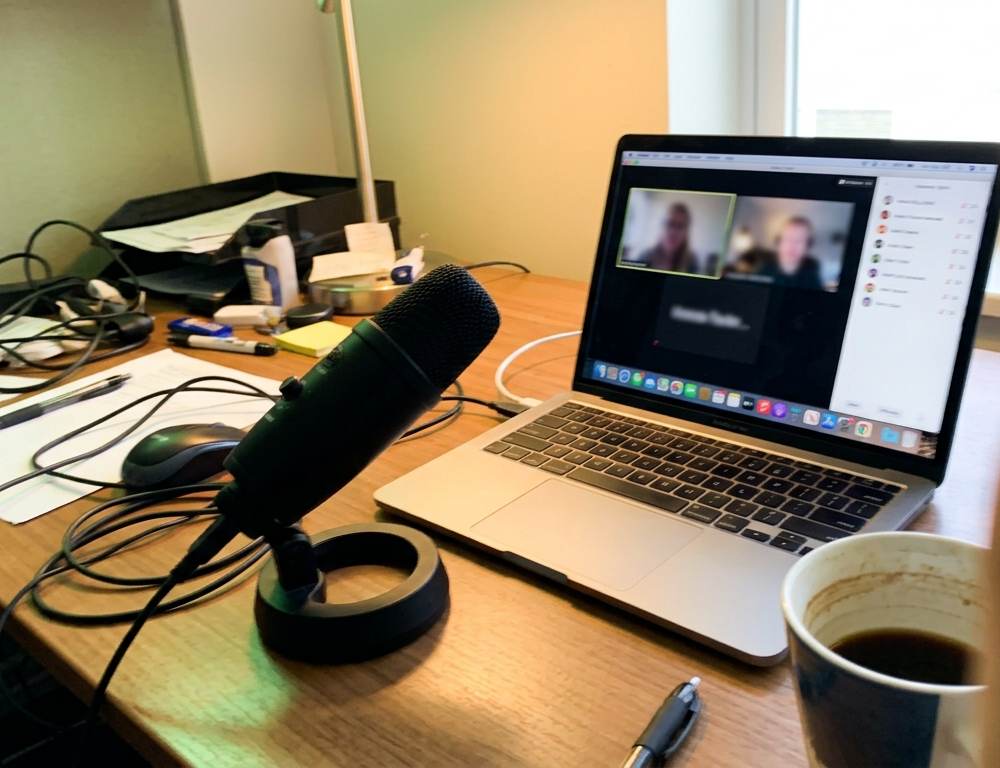
Podcast guesting is the practice of placing your executives, founders and subject-matter experts as interview guests on podcasts your buyers already listen to. There is no show to launch and no audience to build. You borrow an audience someone else has spent years earning, and you arrive with the host's endorsement attached.
For B2B companies, that combination is hard to find anywhere else. Buyers who ignore cold email and scroll past ads will happily spend forty minutes listening to a stranger talk about their problems, provided a host they trust made the introduction. This guide covers what guesting involves, why it works, who it suits, and how to run it as a proper channel rather than an occasional favour.
What Is Podcast Guesting?
At its simplest, podcast guesting means appearing as an interviewee on someone else's show. A host invites you on, you talk about what you know for half an hour or more, and their audience hears you at your most useful. It sits within the broader discipline of B2B podcast PR, alongside speaking slots and media placements, but the interview is the core unit.
It is worth separating guesting from hosting. When you host your own show, you own the asset: the feed, the audience relationship, the back catalogue. When you guest, you rent reach from someone who already has it. The two are complementary rather than competing. Hosting compounds slowly and pays off over years. Guesting delivers borrowed credibility from week one, which is why many brands start there.
A typical guest appearance is a 30 to 60 minute recorded conversation, increasingly on video as well as audio. The output is more than the episode itself. A good appearance generates clips for LinkedIn and YouTube, a backlink from the show notes, a warm relationship with a host who knows other hosts, and a piece of third-party validation your sales team can send to prospects.
Why Podcast Guesting Beats Cold Outreach and Paid Ads
Consider what each channel actually buys you. A cold email, if it is opened at all, gets a few seconds of guarded attention from someone primed to delete it. A paid ad interrupts a person who was trying to do something else, and it stops working the moment you stop paying. Both start from a position of scepticism, because the audience knows exactly why you are there.
A podcast interview inverts all of that. The listener chose the show, chose the episode, and is often listening on a commute or a walk with nothing competing for their attention. You get thirty to forty-five minutes of voluntary focus from a self-selected audience. No outbound channel gets close to that.
Then there is the trust transfer. The host has spent years building a relationship with their audience, and by inviting you on they are vouching for you. Listeners extend the trust they hold in the host to the guest, at least provisionally. That is why "I heard you on the podcast" leads behave differently from cold inbound. The prospect arrives partly convinced, having already heard how you think.
Episodes also keep working. An ad is perishable. An interview sits in a back catalogue, surfaces in search and app recommendations, and gets found by new listeners months or years after recording. The economics compound in a way paid media never does.
One honest caveat: guesting is slower to start than ads. You cannot flick a switch and get placements tomorrow. Bookings take weeks to arrange and the effect builds over months. It rewards patience and punishes dabbling.
Who Guesting Works For
Guesting is a people channel. Audiences connect with a person, not a logo, so the question is less "should our company do this" and more "who should we put forward". Three profiles consistently do well.
Executives
For CEOs, CFOs and functional leaders, guest appearances build the visible authority that enterprise deals lean on. When a buying committee researches your company, an executive who has spent an hour talking credibly about the market is a very different discovery from a LinkedIn profile and a press release. Appearances also tend to breed invitations. Analysts, journalists and event organisers listen to podcasts too.
Founders
Founders usually have the best raw material: the origin story, the contrarian bet, the scars. For early-stage B2B companies without the budget for serious paid spend, a founder doing one or two well-chosen interviews a month is one of the cheapest credible ways to reach buyers. It helps hiring as much as sales, because candidates listen too.
Subject-matter experts
Often the strongest guests are not the most senior people. A practitioner who has actually run the migrations, closed the audits or built the models can go deeper than any executive, and niche B2B hosts love depth. If your head of product or principal engineer is a natural explainer, put them forward. Audiences can tell the difference between someone reciting messaging and someone who has done the work.
Guesting does not suit everyone. If your spokesperson has no view beyond the product deck, or cannot commit to preparation, long-form interviews will expose that rather than hide it. A podcast is a forty-minute test of whether you have anything to say.
How to Run a Podcast Guesting Programme Properly
The difference between a channel and a hobby is process. A proper programme has four moving parts.
Targeting
Start with who you sell to, not with a chart of the biggest business podcasts. Map the two or three job titles that matter to your pipeline, then work out what those people actually listen to. Look at where your customers and competitors have appeared as guests. Ask prospects on sales calls what they listen to. The answers are usually more niche than you expect.
Build a tiered list: a handful of dream shows, a core of strong fits, and a longer tail of adjacent ones for coverage. Before pitching any of them, listen to at least one full episode. Check the show is still publishing, that the host asks real questions, and that past guests look like people your buyers would respect.
Positioning
Hosts are pitched constantly, and most pitches are biographies. Offer an angle instead. A good pitch names a specific, arguable point of view and explains why this show's audience would care about it now. One sharp opinion beats ten areas of expertise.
Prepare your spokesperson properly. That means three stories they can tell with specifics and numbers, a clear line on what they will not discuss, and a one-page guest kit with bio, headshot, suggested topics and links to previous appearances. The kit signals to hosts that you will be easy to work with, which matters more than most people think.
Cadence
One or two well-chosen appearances a month, sustained for a year, will beat a blitz of ten followed by silence. Booking lead times run four to six weeks, so a steady cadence needs a pipeline of pitches running ahead of the calendar. Review the programme quarterly: which appearances generated conversations, which shows deserve a return visit, and which tier of your list is actually converting into bookings.
Follow-through
The episode going live is the midpoint, not the finish. Clip the best moments for LinkedIn and YouTube, post them natively rather than just sharing a link, and give the host's own promotion a genuine push. Add strong episodes to sales enablement, nurture emails and onboarding sequences. Thank the host publicly and ask who else they would recommend. Hosts know other hosts, and referrals convert far better than cold pitches. Video shows are worth prioritising here, because footage gives you far more to reuse than audio alone.
What Good Looks Like: Relevance Over Audience Size
The most common instinct in guesting is to chase the biggest shows. For B2B, it is almost always wrong. A show with three hundred listeners who are all finance directors is worth more to a CFO-focused product than a general business show with thirty thousand. You are not buying impressions. You are buying the right people's attention, for a long time, with trust attached.
Specialist shows prove the point. The CFO Playbook, the show Earworm produces for Soldo, exists precisely because finance leaders want to hear from their peers. A guest slot on a show like that puts you in a room full of exactly the people you sell to, with a host who has earned their attention. That is what a good booking looks like.
Signals worth checking before you pitch or accept a slot:
- Audience match. The listeners look like your buyers, not just your industry.
- Host quality. They ask follow-up questions and push back, which makes you sound better, not worse.
- Guest history. Past guests are people your prospects would recognise and respect.
- Promotion. The show clips, posts and tags its guests rather than quietly shipping audio into the void.
Measurement follows the same logic. Track the leading indicators you control: appearances on right-fit shows per quarter, clips shipped, engagement on repurposed content. Then watch the lagging ones: "heard you on" mentions in discovery calls, branded search volume, deals that reference an episode. Ask every inbound lead how they found you and log the answers. Guesting shows up there long before it shows up in a dashboard.
Common Podcast Guesting Mistakes
Most failed guesting efforts fail in the same handful of ways.
- Chasing downloads over fit. Big generalist shows flatter the ego and do nothing for the pipeline.
- Selling on air. The fastest way to never be invited back. Sell the thinking. The product gets bought later.
- Templated mass pitches. Hosts compare notes. A pitch that could have gone to any show reads as spam on all of them.
- One and done. A single appearance proves nothing. The value is cumulative, and it compounds with consistency.
- No repurposing. Forty-five minutes of considered conversation should become weeks of clips, posts and sales material, not a single link share.
- Sending the wrong person. Seniority is not the qualification. Having something to say, and saying it well, is.
- Measuring nothing. If nobody tracks mentions, search lift or influenced pipeline, the programme dies at the first budget review.
Running Guesting In-House vs Using an Agency
You can absolutely run guesting yourself. In-house works when three things are true: someone genuinely owns it (usually a comms or content manager with hours ring-fenced), your niche is small enough that you already know the shows, and your spokespeople will turn up prepared. The cash cost is near zero. The real cost is time. Researching shows, writing individual pitches, chasing replies, scheduling, prepping guests and cutting clips adds up to a serious ongoing commitment for every placement.
An agency makes sense when senior time is your scarcest resource, when you need placements landing within a quarter rather than a year, or when you want the whole chain handled: targeting, outreach, prep, and turning each appearance into distribution-ready content. A good podcast guest booking partner also brings existing host relationships, which shortens the cold-pitch slog considerably. Ask any agency how it chooses shows, what it counts as a successful placement, and what happens after the episode airs. If the answer to the first question involves download charts, keep looking.
Whichever route you take, keep the point of view in-house. An agency can find the rooms and open the doors. A good B2B podcast agency will do the same when you decide to build a show of your own. It cannot outsource having something worth saying. And once guesting has proven the appetite is there, many brands graduate to pairing it with a show of their own, feeding borrowed audiences into an owned one.
Get Booked on the Right Shows
Earworm runs podcast PR for B2B brands, placing executives, founders and experts on the shows their buyers already trust, then turning every appearance into clips and content that keep working. We work with B2B companies including Soldo, Cisco and Experian. If you want a guesting programme run properly rather than squeezed into spare hours, book a call.