What Is a Podcast Tour? When to Run One and What It Costs
A podcast tour is a coordinated run of guest appearances timed around a launch. Learn when to run one, what it costs and how to measure the results.
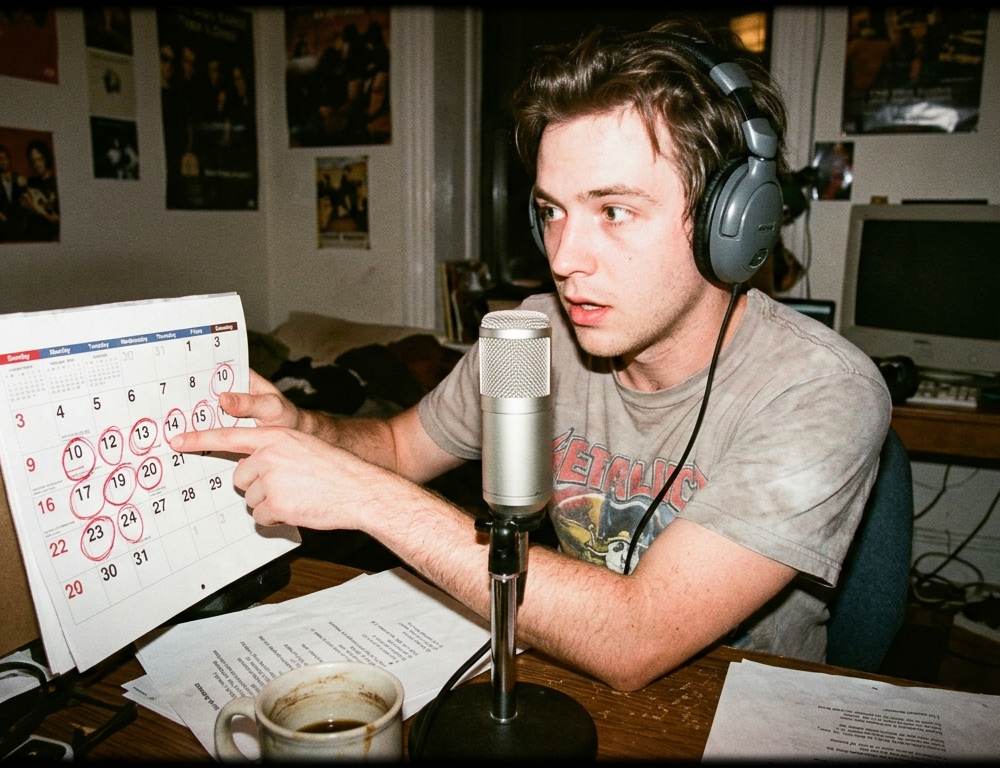
A podcast tour is a coordinated run of guest appearances on other people's podcasts, planned around a single moment. A book launch. A funding round. A rebrand. Instead of saying yes to whatever invitations drift into your inbox, you choose the shows, shape one narrative and sequence the episodes so they land when your announcement does.
Politicians do the broadcast round. Authors do the press circuit. This is the same idea, pointed at niche audiences who choose to listen for forty minutes at a time. This guide covers when a tour makes sense, how it differs from ad-hoc guesting, how to plan one and what it honestly costs in time and money. And if you would rather someone else did the legwork, that is what our podcast PR service is for.
What Is a Podcast Tour?
A podcast tour is a series of guest appearances booked and managed as one campaign. In practice that usually means somewhere between eight and fifteen interviews, recorded over a few weeks and released in a concentrated window around whatever you are promoting.
Three things make it a tour rather than a run of coincidences:
- A moment. The tour exists to amplify something specific. There is a date on the calendar and every appearance points at it.
- A narrative. Each interview tells a version of the same story. Different angles for different audiences, one consistent message underneath.
- A schedule. Episodes are sequenced deliberately so the story builds, rather than trickling out over eight months and being forgotten between instalments.
Done well, the effect compounds. Someone hears your founder on one show, then catches them on another, then sees a clip on LinkedIn. By the third exposure your founder feels like the person everyone is suddenly talking to. That feeling is manufactured, and that is fine. Manufacturing it is the job.
When Should You Run a Podcast Tour?
A tour needs a reason. Without one it is just guesting with a spreadsheet. These are the moments that justify the effort:
- Book launches. The classic. A book gives every host an easy hook, gives you a clear call to action and gives the tour a natural deadline. Publishers now expect authors to do this.
- Funding rounds. A raise is news for about 48 hours. A tour stretches that story across two months and lets your CEO talk about what the money is for, rather than just the number.
- Product launches. Useful when the product needs explaining. Long-form conversation is where complicated products actually make sense, in a way a press release never quite manages.
- Executive positioning. A new CEO, a founder stepping into the spotlight, a CTO you want known as the voice on a topic. A concentrated run of appearances builds recognition far faster than one interview a quarter.
- Rebrands. A rebrand without a story attached is just a new logo. A tour gives the people behind it somewhere to explain the why, repeatedly, to audiences who were never going to read the announcement blog post.
The common thread: something is changing, and you want the right people to know before, during and after it changes.
A Tour Is Not Ad-Hoc Guesting
Plenty of executives already do podcast interviews. An invitation arrives, the diary has a gap, they say yes. That is ad-hoc guesting, and there is nothing wrong with it. It keeps a profile warm. But a tour is a different animal, in four ways:
- Selection. Ad-hoc guesting is inbound. You appear on the shows that found you. A tour is outbound. You appear on the shows your buyers actually listen to, which is rarely the same list.
- Message. Ad-hoc interviews wander wherever the host takes them. On a tour you arrive with a narrative and steer back to it.
- Density. One appearance a quarter is background noise. Ten in six weeks is a pattern people notice.
- Timing. Ad-hoc episodes come out whenever they come out. A tour is timed so the noise peaks as the announcement lands.
Ad-hoc guesting is jogging. A tour is training for a race. Same muscles, entirely different plan. There is also a third mode, the always-on programme, where podcast guest booking runs continuously as a channel rather than a campaign. That deserves its own article.
How to Plan a Podcast Tour
Build the target list
Start with 20 to 30 shows, knowing you will land a fraction of them. Rank by audience fit, not download numbers. A show with 500 listeners who are all heads of finance beats a show with 50,000 generalists, and it will say yes faster. B2B niches are better served than most people expect. There are entire shows for finance leaders, insurance people and compliance teams. We make some of them, and The CFO Playbook exists precisely because CFOs listen to podcasts.
Then check each show is actually alive (an episode in the last month), actually takes guests, and ideally records on video. Video matters more than most guests realise, because the clips are where the secondary reach comes from.
Fix the narrative before you pitch
One core story, three or four angles. The core story is what you want the market to believe when the tour ends. The angles are how it flexes for different audiences: the finance version, the operator version, the origin story version. Write down the five points you will make every time and the two stories that prove them. Hosts want a good episode, not your press release, so the narrative has to survive being interrupted, challenged and taken off course.
Sequence the appearances
Order matters. Book the smaller shows first and treat them as rehearsal. By the fourth recording you will know which stories land, which answers ramble and which line gets quoted back at you. Save the biggest, most relevant shows for the window closest to your moment, when the message is sharpest. And vary the audiences. Ten interviews in front of the same 2,000 listeners is not a tour, it is a residency.
Time it around the announcement
Work backwards from the date. Most shows book guests four to eight weeks out, and many record well ahead of release, so pitching needs to start two to three months before your moment. One honest caveat: you do not control publish dates, hosts do. You can ask, and most will try to help if you explain the timing, but build slack into the plan. Aim for a cluster of releases in the fortnight either side of the announcement, with a tail of episodes keeping the story alive for a month afterwards.
What It Costs in Time and Money
Honestly, more than most people budget for.
Time. Research and list building take a day or two if done properly. Pitching is a drip of emails and follow-ups over several weeks. Each landed appearance then costs the guest two to three hours: prep, the recording itself, and promoting the episode when it airs. Run the maths on ten appearances and you are asking a senior executive for 25 to 30 hours of diary time over two months, plus whoever is doing the booking behind the scenes. That is the real cost, and it is why half-committed tours fizzle out around appearance three.
Money. Remote recording means travel is rarely a line item. A decent microphone, good light and a quiet room are the only kit that matters. If you outsource, podcast PR support is typically a monthly retainer covering the research, pitching and scheduling. If you keep it in-house, the cost is salary time, most of it in the pitching, which is the part everyone underestimates.
One more thing. Reputable shows do not charge guests to appear. If a show asks for a fee to interview you, that is advertising wearing a costume, and its audience usually knows it.
Measuring a Podcast Tour
Take baselines before you start: branded search volume, direct traffic, and the executive's LinkedIn following. Then track a small set of signals rather than chasing one perfect number:
- Output. Appearances booked, episodes aired, clips published. Not glamorous, but these are your leading indicators.
- Trackable response. A dedicated URL or offer per show. Treat the numbers as a floor, not a ceiling. Listeners rarely type links, they search your name three days later.
- Search and traffic lift. Branded search and direct traffic during the release window and the month after. This is where podcast interviews actually show up.
- Anecdata that matters. "Heard you on" mentions in sales calls, and a source field on your forms so those mentions get counted.
- The flywheel. A good tour generates its own invitations. Count the inbound requests that arrive after it.
Be realistic about attribution. Podcast listening is a private habit and the response is delayed, so judge the tour over a quarter, not a fortnight. If branded search rises, sales calls get warmer and hosts start coming to you, it worked.
Run Your Tour With Earworm
Earworm is a B2B video podcast agency based in Bristol, working with brands across the UK and US. Our podcast PR team builds the target list, writes the pitches and manages the diary, so your executive just has to turn up and be interesting. If there is a moment on your calendar worth touring, book a call.